About the course
Build a foundation in living systems and examine how biological knowledge is used in agriculture, food, environmental services and industry. The proposed outline combines bioscience with analytical thinking and biotechnology applications relevant to Southern Africa. Laboratory quality, ethical judgement and biosafety should guide every practical activity and project choice.
What you'll learn
- Explain the cellular and biochemical basis of selected biological processes.
- Interpret experimental results and distinguish evidence from unsupported claims.
- Compare biotechnology applications and their social or environmental implications.
- Prepare a reproducible investigation plan within approved biosafety controls.
Requirements
- Entry requires relevant A Level STEM subjects or a National Certificate in a relevant STEM or TVET discipline. English Language is required. A relevant National Diploma may support second-year entry where BMIT approves module equivalence and professional rules permit. Advanced entry is not automatic.
- African Kalanga is a compulsory graduation subject in every year of this programme. BMIT confirms the approved entry route, any recognition of prior learning and access to required practical facilities before enrolment.
Course content
Subjects in this programme
The subjects are grouped by learning stage, from foundations to specialist study and supervised application. Complete earlier foundations before the related advanced work. Clinical, laboratory, field and workplace subjects use approved facilities and supervision appropriate to the programme.
31 subjects are listed below, with a short description of each. The Subject descriptions tab contains the learning outcomes, topics, practical tasks and assessments.
Stage 1: Biological and chemical sciences
- General Chemistry. Examine atomic structure, bonding and their relationship within general chemistry. The subject develops chemical quantities and solutions, then examines equilibrium and acids and bases. Analyse low-risk teaching data and complete approved laboratory exercises.
- Organic Chemistry. Develop your understanding of organic chemistry through functional groups and molecular structure. The subject develops isomerism and reaction families, then examines organic properties and spectral interpretation. Interpret supplied molecular and spectral data using approved teaching examples.
- Cell Biology. Study cell structures and membranes as foundations for cell biology. The subject develops organelles and cell division, then examines cell signalling and microscopy concepts. Interpret approved cell images and low-risk teaching observations.
- Microbiology. Examine microbial diversity, cell function and their relationship within microbiology. The subject develops growth concepts and microbial ecology, then examines quality controls and biosafety. Use approved images, datasets and low-risk supervised teaching materials.
- Biochemistry. Develop your understanding of biochemistry through biomolecules and enzymes. The subject develops metabolism and energy transfer, then examines regulation and biochemical evidence. Interpret approved biochemical teaching data.
- Genetics. Study inheritance and chromosomes as foundations for genetics. The subject develops variation and gene expression, then examines population genetics and ethical implications. Analyse non-identifiable inheritance and variation teaching cases.
- Mechanics and General Physics. Examine motion, forces and their relationship within mechanics and general physics. The subject develops energy and momentum, then examines oscillations and measurement uncertainty. Use a supervised teaching experiment to compare observation with a physical model.
- Academic and Professional Communication. Develop your understanding of academic and professional communication through reading strategies and evidence use. The subject develops report structure and presentations, then examines audience and referencing. Prepare a report and presentation for a defined professional audience.
Stage 2: Biotechnology foundations
- Molecular Biology. Study nucleic acids and gene regulation as foundations for molecular biology. The subject develops protein synthesis and molecular variation, then examines analytical principles and data interpretation. Evaluate publicly available molecular datasets in an approved academic exercise.
- Enzymology. Examine catalysis, enzyme kinetics and their relationship within enzymology. The subject develops inhibition and regulation, then examines applied enzymes and measurement limits. Analyse supplied benign enzyme data and compare kinetic models.
- Immunology. Develop your understanding of immunology through innate immunity and adaptive immunity. The subject develops immune recognition and antibodies, then examines immune disorders and diagnostic concepts. Interpret immunological teaching cases without experimental manipulation of pathogens.
- Biophysics. Study biological forces and diffusion as foundations for biophysics. The subject develops membranes and optical methods, then examines electrical phenomena and measurement models. Analyse a non-clinical biological measurement using safe teaching data.
- Analytical Chemistry. Examine sampling, calibration and their relationship within analytical chemistry. The subject develops volumetric analysis and spectroscopy, then examines chromatographic principles and method uncertainty. Evaluate an approved analytical dataset and a calibration exercise.
- Applied Statistics. Develop your understanding of applied statistics through descriptive measures and probability. The subject develops sampling and estimation, then examines hypothesis testing and regression. Analyse an approved dataset and distinguish uncertainty from systematic bias.
- Digital Information Skills. Study file organisation and word processing as foundations for digital information skills. The subject develops spreadsheets and online information, then examines account security and data integrity. Organise files and analyse a small dataset using common digital tools.
- Biosafety and Bioethics. Examine risk assessment, containment principles and their relationship within biosafety and bioethics. The subject develops responsible conduct and approval routes, then examines waste responsibilities and ethical review. Evaluate a proposed low-risk teaching study and identify required controls.
Stage 3: Applied biotechnology
- Biotechnology Applications. Develop your understanding of biotechnology applications through industrial applications and agricultural applications. The subject develops environmental applications and product development, then examines social implications and governance. Compare approved biotechnology applications against a defined regional need.
- Bioprocess Engineering. Study process boundaries and growth models as foundations for bioprocess engineering. The subject develops transfer processes and process monitoring, then examines product recovery concepts and quality. Analyse supplied low-risk bioprocess data without developing hazardous biological methods.
- Bioinformatics. Examine biological databases, sequence comparison and their relationship within bioinformatics. The subject develops data quality and annotation, then examines reproducibility and ethical data use. Analyse authorised public biological data using documented tools.
- Food Microbiology. Develop your understanding of food microbiology through food-associated microbes and spoilage. The subject develops foodborne disease concepts and hygiene, then examines monitoring and prevention. Review food-safety data and approved low-risk laboratory observations.
- Ecology. Study populations and communities as foundations for ecology. The subject develops ecosystems and energy flows, then examines species interactions and ecological evidence. Analyse an approved field observation or ecological dataset.
- Environmental Chemistry. Examine chemical fate, water chemistry and their relationship within environmental chemistry. The subject develops soil chemistry and air chemistry, then examines contaminants and analytical evidence. Interpret approved environmental chemistry data and method limitations.
- Quality Management and Improvement. Develop your understanding of quality management and improvement through quality criteria and process variation. The subject develops traceability and nonconformity, then examines corrective action and improvement measures. Investigate a quality problem using permissioned records or teaching data.
- Research Methods. Study research questions and literature review as foundations for research methods. The subject develops study design and data collection, then examines ethics and interpretation. Prepare a feasible investigation proposal with a defined evidence need.
Stage 4: Approved laboratory and project learning
- Supervised Field Investigation. Examine access permissions, sampling plans and their relationship within supervised field investigation. The subject develops field measurement and data quality, then examines site context and field reporting. Conduct an approved low-risk field investigation with qualified supervision.
- Project Development and Feasibility. Develop your understanding of project development and feasibility through problem definition and evidence review. The subject develops requirements and method selection, then examines feasibility and evaluation criteria. Develop an approved discipline-specific project proposal with a supervisor.
- Supervised Workplace Learning. Study workplace roles and approved task planning as foundations for supervised workplace learning. The subject develops professional conduct and technical records, then examines feedback and reflective learning. Complete an agreed placement task under an approved workplace supervisor.
- Integrated Project and Technical Report. Examine implementation, evidence collection and their relationship within integrated project and technical report. The subject develops analysis and verification, then examines limitations and communication. Complete the approved project and maintain an auditable evidence record.
African History and Pan Africanism
- African History and Pan Africanism 101 (Level 1, compulsory core module): Study African history through oral, written and archaeological evidence. Examine the diversity of African societies, knowledge and exchange, then trace the emergence of Pan African ideas about identity, solidarity and self-determination.
- African History and Pan Africanism 201 (Level 2, compulsory core module): Examine colonial change, resistance and liberation across Africa, with attention to Zimbabwe and South Africa. Compare Pan African movements, organisations and debates, including contributions from women, workers and diaspora communities.
- African History and Pan Africanism 301 (Level 3, compulsory core module): Evaluate the legacy of Pan Africanism in continental and regional cooperation, culture and public life. Apply historical inquiry to a heritage, community or professional issue, recognising both achievements and contested interpretations.
Assessment and practical learning
- Proposed assessment: concept tests, data-analysis exercises and evidence-based case reports using Southern African examples.
- Practical observations, field or laboratory records and an individual explanation of methods, uncertainty and results.
- An applied investigation with a report and presentation. Assessment weighting and progression remain subject to BMIT approval.
Practical application
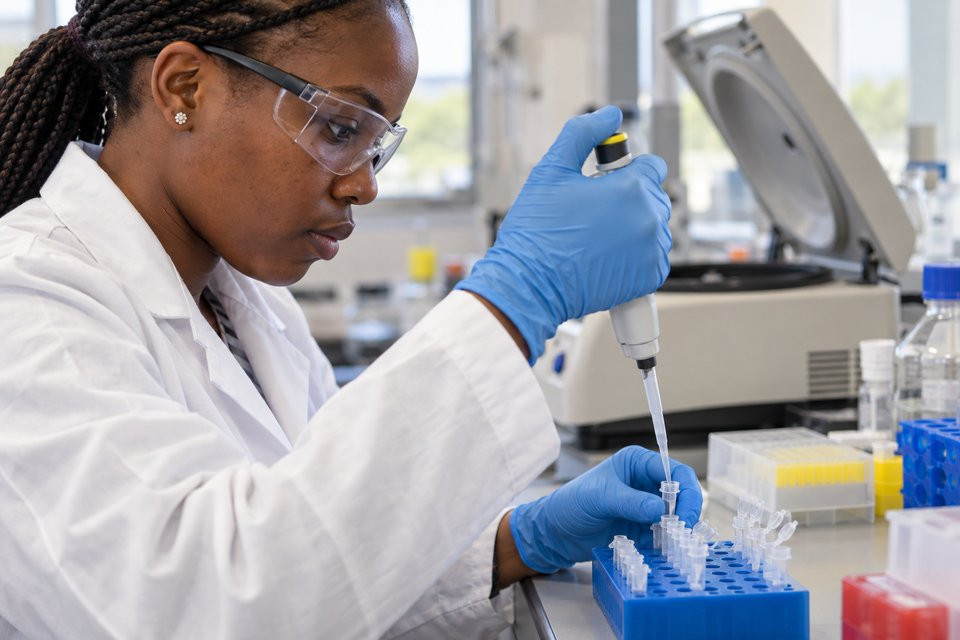
Practical training requires an equipped teaching laboratory, qualified supervision and approved biological risk controls. Use low-risk teaching materials and validated methods. A project should record controls, repeatability and limitations, with any human, animal or environmental sampling subject to formal permission.
African History and Pan Africanism practical learning
- African History and Pan Africanism 101: Create an annotated timeline or digital learning poster on a selected African society or historical development. Compare at least two credible sources and explain one connection with your field of study.
- African History and Pan Africanism 201: Develop a comparative case study of a liberation issue or Pan African debate relevant to Southern Africa. Use a historical document alongside a scholarly account and explain differences in purpose and interpretation.
- African History and Pan Africanism 301: Prepare a sourced heritage or civic-learning project connected with your field or a Southern African community. Explain its historical basis, audience, permission needs and limits. Obtain consent if you conduct interviews.
Subject descriptions
Each subject below includes its purpose, learning outcomes, main topics, practical task and assessment approach.
General Chemistry
Stage 1: Biological and chemical sciences
Examine atomic structure, bonding and their relationship within general chemistry. The subject develops chemical quantities and solutions, then examines equilibrium and acids and bases. Analyse low-risk teaching data and complete approved laboratory exercises.
Learning outcomes
- Explain atomic structure and bonding using an appropriate example.
- Analyse a subject-related problem involving chemical quantities and solutions.
- Present reasoned evidence addressing equilibrium and acids and bases.
Main topics
- Atomic structure
- Bonding
- Chemical quantities
- Solutions
- Equilibrium
- Acids and bases
Practical task
Analyse low-risk teaching data and complete approved laboratory exercises.
Assessment
Submit a practical record and calculations with units and assumptions.
Organic Chemistry
Stage 1: Biological and chemical sciences
Develop your understanding of organic chemistry through functional groups and molecular structure. The subject develops isomerism and reaction families, then examines organic properties and spectral interpretation. Interpret supplied molecular and spectral data using approved teaching examples.
Learning outcomes
- Explain functional groups and molecular structure using an appropriate example.
- Analyse a subject-related problem involving isomerism and reaction families.
- Present reasoned evidence addressing organic properties and spectral interpretation.
Main topics
- Functional groups
- Molecular structure
- Isomerism
- Reaction families
- Organic properties
- Spectral interpretation
Practical task
Interpret supplied molecular and spectral data using approved teaching examples.
Assessment
Submit a structure and property analysis with reasoned identifications.
Cell Biology
Stage 1: Biological and chemical sciences
Study cell structures and membranes as foundations for cell biology. The subject develops organelles and cell division, then examines cell signalling and microscopy concepts. Interpret approved cell images and low-risk teaching observations.
Learning outcomes
- Explain cell structures and membranes using an appropriate example.
- Analyse a subject-related problem involving organelles and cell division.
- Present reasoned evidence addressing cell signalling and microscopy concepts.
Main topics
- Cell structures
- Membranes
- Organelles
- Cell division
- Cell signalling
- Microscopy concepts
Practical task
Interpret approved cell images and low-risk teaching observations.
Assessment
Submit an annotated cell-analysis portfolio.
Microbiology
Stage 1: Biological and chemical sciences
Examine microbial diversity, cell function and their relationship within microbiology. The subject develops growth concepts and microbial ecology, then examines quality controls and biosafety. Use approved images, datasets and low-risk supervised teaching materials.
Learning outcomes
- Explain microbial diversity and cell function using an appropriate example.
- Analyse a subject-related problem involving growth concepts and microbial ecology.
- Present reasoned evidence addressing quality controls and biosafety.
Main topics
- Microbial diversity
- Cell function
- Growth concepts
- Microbial ecology
- Quality controls
- Biosafety
Practical task
Use approved images, datasets and low-risk supervised teaching materials.
Assessment
Submit a microbiology portfolio explaining evidence and biosafety limits.
Biochemistry
Stage 1: Biological and chemical sciences
Develop your understanding of biochemistry through biomolecules and enzymes. The subject develops metabolism and energy transfer, then examines regulation and biochemical evidence. Interpret approved biochemical teaching data.
Learning outcomes
- Explain biomolecules and enzymes using an appropriate example.
- Analyse a subject-related problem involving metabolism and energy transfer.
- Present reasoned evidence addressing regulation and biochemical evidence.
Main topics
- Biomolecules
- Enzymes
- Metabolism
- Energy transfer
- Regulation
- Biochemical evidence
Practical task
Interpret approved biochemical teaching data.
Assessment
Submit pathway reasoning and a data-analysis report.
Genetics
Stage 1: Biological and chemical sciences
Study inheritance and chromosomes as foundations for genetics. The subject develops variation and gene expression, then examines population genetics and ethical implications. Analyse non-identifiable inheritance and variation teaching cases.
Learning outcomes
- Explain inheritance and chromosomes using an appropriate example.
- Analyse a subject-related problem involving variation and gene expression.
- Present reasoned evidence addressing population genetics and ethical implications.
Main topics
- Inheritance
- Chromosomes
- Variation
- Gene expression
- Population genetics
- Ethical implications
Practical task
Analyse non-identifiable inheritance and variation teaching cases.
Assessment
Submit genetic reasoning exercises and an ethics reflection.
Mechanics and General Physics
Stage 1: Biological and chemical sciences
Examine motion, forces and their relationship within mechanics and general physics. The subject develops energy and momentum, then examines oscillations and measurement uncertainty. Use a supervised teaching experiment to compare observation with a physical model.
Learning outcomes
- Explain motion and forces using an appropriate example.
- Analyse a subject-related problem involving energy and momentum.
- Present reasoned evidence addressing oscillations and measurement uncertainty.
Main topics
- Motion
- Forces
- Energy
- Momentum
- Oscillations
- Measurement uncertainty
Practical task
Use a supervised teaching experiment to compare observation with a physical model.
Assessment
Submit a laboratory report and quantitative problem set.
Academic and Professional Communication
Stage 1: Biological and chemical sciences
Develop your understanding of academic and professional communication through reading strategies and evidence use. The subject develops report structure and presentations, then examines audience and referencing. Prepare a report and presentation for a defined professional audience.
Learning outcomes
- Explain reading strategies and evidence use using an appropriate example.
- Analyse a subject-related problem involving report structure and presentations.
- Present reasoned evidence addressing audience and referencing.
Main topics
- Reading strategies
- Evidence use
- Report structure
- Presentations
- Audience
- Referencing
Practical task
Prepare a report and presentation for a defined professional audience.
Assessment
Submit revised written work and an individual presentation.
Molecular Biology
Stage 2: Biotechnology foundations
Study nucleic acids and gene regulation as foundations for molecular biology. The subject develops protein synthesis and molecular variation, then examines analytical principles and data interpretation. Evaluate publicly available molecular datasets in an approved academic exercise.
Learning outcomes
- Explain nucleic acids and gene regulation using an appropriate example.
- Analyse a subject-related problem involving protein synthesis and molecular variation.
- Present reasoned evidence addressing analytical principles and data interpretation.
Main topics
- Nucleic acids
- Gene regulation
- Protein synthesis
- Molecular variation
- Analytical principles
- Data interpretation
Practical task
Evaluate publicly available molecular datasets in an approved academic exercise.
Assessment
Submit a molecular-data interpretation and method-limitation report.
Enzymology
Stage 2: Biotechnology foundations
Examine catalysis, enzyme kinetics and their relationship within enzymology. The subject develops inhibition and regulation, then examines applied enzymes and measurement limits. Analyse supplied benign enzyme data and compare kinetic models.
Learning outcomes
- Explain catalysis and enzyme kinetics using an appropriate example.
- Analyse a subject-related problem involving inhibition and regulation.
- Present reasoned evidence addressing applied enzymes and measurement limits.
Main topics
- Catalysis
- Enzyme kinetics
- Inhibition
- Regulation
- Applied enzymes
- Measurement limits
Practical task
Analyse supplied benign enzyme data and compare kinetic models.
Assessment
Submit calculations and a method-quality report.
Immunology
Stage 2: Biotechnology foundations
Develop your understanding of immunology through innate immunity and adaptive immunity. The subject develops immune recognition and antibodies, then examines immune disorders and diagnostic concepts. Interpret immunological teaching cases without experimental manipulation of pathogens.
Learning outcomes
- Explain innate immunity and adaptive immunity using an appropriate example.
- Analyse a subject-related problem involving immune recognition and antibodies.
- Present reasoned evidence addressing immune disorders and diagnostic concepts.
Main topics
- Innate immunity
- Adaptive immunity
- Immune recognition
- Antibodies
- Immune disorders
- Diagnostic concepts
Practical task
Interpret immunological teaching cases without experimental manipulation of pathogens.
Assessment
Submit a mechanism-based case analysis.
Biophysics
Stage 2: Biotechnology foundations
Study biological forces and diffusion as foundations for biophysics. The subject develops membranes and optical methods, then examines electrical phenomena and measurement models. Analyse a non-clinical biological measurement using safe teaching data.
Learning outcomes
- Explain biological forces and diffusion using an appropriate example.
- Analyse a subject-related problem involving membranes and optical methods.
- Present reasoned evidence addressing electrical phenomena and measurement models.
Main topics
- Biological forces
- Diffusion
- Membranes
- Optical methods
- Electrical phenomena
- Measurement models
Practical task
Analyse a non-clinical biological measurement using safe teaching data.
Assessment
Submit a model and uncertainty-aware report.
Analytical Chemistry
Stage 2: Biotechnology foundations
Examine sampling, calibration and their relationship within analytical chemistry. The subject develops volumetric analysis and spectroscopy, then examines chromatographic principles and method uncertainty. Evaluate an approved analytical dataset and a calibration exercise.
Learning outcomes
- Explain sampling and calibration using an appropriate example.
- Analyse a subject-related problem involving volumetric analysis and spectroscopy.
- Present reasoned evidence addressing chromatographic principles and method uncertainty.
Main topics
- Sampling
- Calibration
- Volumetric analysis
- Spectroscopy
- Chromatographic principles
- Method uncertainty
Practical task
Evaluate an approved analytical dataset and a calibration exercise.
Assessment
Submit a method-comparison report and analytical calculations.
Applied Statistics
Stage 2: Biotechnology foundations
Develop your understanding of applied statistics through descriptive measures and probability. The subject develops sampling and estimation, then examines hypothesis testing and regression. Analyse an approved dataset and distinguish uncertainty from systematic bias.
Learning outcomes
- Explain descriptive measures and probability using an appropriate example.
- Analyse a subject-related problem involving sampling and estimation.
- Present reasoned evidence addressing hypothesis testing and regression.
Main topics
- Descriptive measures
- Probability
- Sampling
- Estimation
- Hypothesis testing
- Regression
Practical task
Analyse an approved dataset and distinguish uncertainty from systematic bias.
Assessment
Submit a reproducible analysis with justified methods and interpretation.
Digital Information Skills
Stage 2: Biotechnology foundations
Study file organisation and word processing as foundations for digital information skills. The subject develops spreadsheets and online information, then examines account security and data integrity. Organise files and analyse a small dataset using common digital tools.
Learning outcomes
- Explain file organisation and word processing using an appropriate example.
- Analyse a subject-related problem involving spreadsheets and online information.
- Present reasoned evidence addressing account security and data integrity.
Main topics
- File organisation
- Word processing
- Spreadsheets
- Online information
- Account security
- Data integrity
Practical task
Organise files and analyse a small dataset using common digital tools.
Assessment
Submit a digital portfolio demonstrating accurate and responsible work.
Biosafety and Bioethics
Stage 2: Biotechnology foundations
Examine risk assessment, containment principles and their relationship within biosafety and bioethics. The subject develops responsible conduct and approval routes, then examines waste responsibilities and ethical review. Evaluate a proposed low-risk teaching study and identify required controls.
Learning outcomes
- Explain risk assessment and containment principles using an appropriate example.
- Analyse a subject-related problem involving responsible conduct and approval routes.
- Present reasoned evidence addressing waste responsibilities and ethical review.
Main topics
- Risk assessment
- Containment principles
- Responsible conduct
- Approval routes
- Waste responsibilities
- Ethical review
Practical task
Evaluate a proposed low-risk teaching study and identify required controls.
Assessment
Submit a biosafety and ethics review before practical work begins.
Biotechnology Applications
Stage 3: Applied biotechnology
Develop your understanding of biotechnology applications through industrial applications and agricultural applications. The subject develops environmental applications and product development, then examines social implications and governance. Compare approved biotechnology applications against a defined regional need.
Learning outcomes
- Explain industrial applications and agricultural applications using an appropriate example.
- Analyse a subject-related problem involving environmental applications and product development.
- Present reasoned evidence addressing social implications and governance.
Main topics
- Industrial applications
- Agricultural applications
- Environmental applications
- Product development
- Social implications
- Governance
Practical task
Compare approved biotechnology applications against a defined regional need.
Assessment
Submit an application appraisal with benefits, limitations and governance needs.
Bioprocess Engineering
Stage 3: Applied biotechnology
Study process boundaries and growth models as foundations for bioprocess engineering. The subject develops transfer processes and process monitoring, then examines product recovery concepts and quality. Analyse supplied low-risk bioprocess data without developing hazardous biological methods.
Learning outcomes
- Explain process boundaries and growth models using an appropriate example.
- Analyse a subject-related problem involving transfer processes and process monitoring.
- Present reasoned evidence addressing product recovery concepts and quality.
Main topics
- Process boundaries
- Growth models
- Transfer processes
- Process monitoring
- Product recovery concepts
- Quality
Practical task
Analyse supplied low-risk bioprocess data without developing hazardous biological methods.
Assessment
Submit a process interpretation and quality review.
Bioinformatics
Stage 3: Applied biotechnology
Examine biological databases, sequence comparison and their relationship within bioinformatics. The subject develops data quality and annotation, then examines reproducibility and ethical data use. Analyse authorised public biological data using documented tools.
Learning outcomes
- Explain biological databases and sequence comparison using an appropriate example.
- Analyse a subject-related problem involving data quality and annotation.
- Present reasoned evidence addressing reproducibility and ethical data use.
Main topics
- Biological databases
- Sequence comparison
- Data quality
- Annotation
- Reproducibility
- Ethical data use
Practical task
Analyse authorised public biological data using documented tools.
Assessment
Submit a reproducible computational investigation.
Food Microbiology
Stage 3: Applied biotechnology
Develop your understanding of food microbiology through food-associated microbes and spoilage. The subject develops foodborne disease concepts and hygiene, then examines monitoring and prevention. Review food-safety data and approved low-risk laboratory observations.
Learning outcomes
- Explain food-associated microbes and spoilage using an appropriate example.
- Analyse a subject-related problem involving foodborne disease concepts and hygiene.
- Present reasoned evidence addressing monitoring and prevention.
Main topics
- Food-associated microbes
- Spoilage
- Foodborne disease concepts
- Hygiene
- Monitoring
- Prevention
Practical task
Review food-safety data and approved low-risk laboratory observations.
Assessment
Submit a microbiological quality and prevention report.
Ecology
Stage 3: Applied biotechnology
Study populations and communities as foundations for ecology. The subject develops ecosystems and energy flows, then examines species interactions and ecological evidence. Analyse an approved field observation or ecological dataset.
Learning outcomes
- Explain populations and communities using an appropriate example.
- Analyse a subject-related problem involving ecosystems and energy flows.
- Present reasoned evidence addressing species interactions and ecological evidence.
Main topics
- Populations
- Communities
- Ecosystems
- Energy flows
- Species interactions
- Ecological evidence
Practical task
Analyse an approved field observation or ecological dataset.
Assessment
Submit an ecological interpretation with sampling limits.
Environmental Chemistry
Stage 3: Applied biotechnology
Examine chemical fate, water chemistry and their relationship within environmental chemistry. The subject develops soil chemistry and air chemistry, then examines contaminants and analytical evidence. Interpret approved environmental chemistry data and method limitations.
Learning outcomes
- Explain chemical fate and water chemistry using an appropriate example.
- Analyse a subject-related problem involving soil chemistry and air chemistry.
- Present reasoned evidence addressing contaminants and analytical evidence.
Main topics
- Chemical fate
- Water chemistry
- Soil chemistry
- Air chemistry
- Contaminants
- Analytical evidence
Practical task
Interpret approved environmental chemistry data and method limitations.
Assessment
Submit a contamination-pathway and evidence-quality report.
Quality Management and Improvement
Stage 3: Applied biotechnology
Develop your understanding of quality management and improvement through quality criteria and process variation. The subject develops traceability and nonconformity, then examines corrective action and improvement measures. Investigate a quality problem using permissioned records or teaching data.
Learning outcomes
- Explain quality criteria and process variation using an appropriate example.
- Analyse a subject-related problem involving traceability and nonconformity.
- Present reasoned evidence addressing corrective action and improvement measures.
Main topics
- Quality criteria
- Process variation
- Traceability
- Nonconformity
- Corrective action
- Improvement measures
Practical task
Investigate a quality problem using permissioned records or teaching data.
Assessment
Submit a quality review and a measurable improvement proposal.
Research Methods
Stage 3: Applied biotechnology
Study research questions and literature review as foundations for research methods. The subject develops study design and data collection, then examines ethics and interpretation. Prepare a feasible investigation proposal with a defined evidence need.
Learning outcomes
- Explain research questions and literature review using an appropriate example.
- Analyse a subject-related problem involving study design and data collection.
- Present reasoned evidence addressing ethics and interpretation.
Main topics
- Research questions
- Literature review
- Study design
- Data collection
- Ethics
- Interpretation
Practical task
Prepare a feasible investigation proposal with a defined evidence need.
Assessment
Submit a proposal, methods rationale and ethics considerations.
Supervised Field Investigation
Stage 4: Approved laboratory and project learning
Examine access permissions, sampling plans and their relationship within supervised field investigation. The subject develops field measurement and data quality, then examines site context and field reporting. Conduct an approved low-risk field investigation with qualified supervision.
Learning outcomes
- Explain access permissions and sampling plans using an appropriate example.
- Analyse a subject-related problem involving field measurement and data quality.
- Present reasoned evidence addressing site context and field reporting.
Main topics
- Access permissions
- Sampling plans
- Field measurement
- Data quality
- Site context
- Field reporting
Practical task
Conduct an approved low-risk field investigation with qualified supervision.
Assessment
Submit field records, analysed evidence and a site-context report.
Project Development and Feasibility
Stage 4: Approved laboratory and project learning
Develop your understanding of project development and feasibility through problem definition and evidence review. The subject develops requirements and method selection, then examines feasibility and evaluation criteria. Develop an approved discipline-specific project proposal with a supervisor.
Learning outcomes
- Explain problem definition and evidence review using an appropriate example.
- Analyse a subject-related problem involving requirements and method selection.
- Present reasoned evidence addressing feasibility and evaluation criteria.
Main topics
- Problem definition
- Evidence review
- Requirements
- Method selection
- Feasibility
- Evaluation criteria
Practical task
Develop an approved discipline-specific project proposal with a supervisor.
Assessment
Submit a proposal, evidence review and evaluation plan.
Supervised Workplace Learning
Stage 4: Approved laboratory and project learning
Study workplace roles and approved task planning as foundations for supervised workplace learning. The subject develops professional conduct and technical records, then examines feedback and reflective learning. Complete an agreed placement task under an approved workplace supervisor.
Learning outcomes
- Explain workplace roles and approved task planning using an appropriate example.
- Analyse a subject-related problem involving professional conduct and technical records.
- Present reasoned evidence addressing feedback and reflective learning.
Main topics
- Workplace roles
- Approved task planning
- Professional conduct
- Technical records
- Feedback
- Reflective learning
Practical task
Complete an agreed placement task under an approved workplace supervisor.
Assessment
Submit an authenticated work portfolio and reflective presentation.
Integrated Project and Technical Report
Stage 4: Approved laboratory and project learning
Examine implementation, evidence collection and their relationship within integrated project and technical report. The subject develops analysis and verification, then examines limitations and communication. Complete the approved project and maintain an auditable evidence record.
Learning outcomes
- Explain implementation and evidence collection using an appropriate example.
- Analyse a subject-related problem involving analysis and verification.
- Present reasoned evidence addressing limitations and communication.
Main topics
- Implementation
- Evidence collection
- Analysis
- Verification
- Limitations
- Communication
Practical task
Complete the approved project and maintain an auditable evidence record.
Assessment
Submit the final project, report and individual oral defence.
African History and Pan Africanism 101
Compulsory core module · Level 1
Study African history through oral, written and archaeological evidence. Examine the diversity of African societies, knowledge and exchange, then trace the emergence of Pan African ideas about identity, solidarity and self-determination.
Learning outcomes
- Place selected African societies and events within a supported historical timeline.
- Compare historical sources and identify perspective, evidence and uncertainty.
- Explain the foundations of Pan Africanism and the contributions of Africans and the diaspora.
Main topics
- Historical inquiry, chronology, oral traditions and source evaluation
- African civilisations, states, trade, livelihoods and knowledge systems
- Southern African history, including Mapungubgwe and Great Zimbabwe
- Slavery, the African diaspora and changing ideas about identity
- Origins of Pan Africanism, solidarity, self-determination and cultural expression
Practical task
Create an annotated timeline or digital learning poster on a selected African society or historical development. Compare at least two credible sources and explain one connection with your field of study.
Assessment
Submit the timeline or poster, an annotated source list and a short explanation of the evidence. Assessment considers chronology, historical accuracy, source judgement and the clarity of your interpretation.
Learning resources
African History and Pan Africanism 201
Compulsory core module · Level 2
Examine colonial change, resistance and liberation across Africa, with attention to Zimbabwe and South Africa. Compare Pan African movements, organisations and debates, including contributions from women, workers and diaspora communities.
Learning outcomes
- Analyse the effects of colonial rule on land, labour, institutions and social relations.
- Compare liberation movements and Pan African arguments using contextual evidence.
- Explain how different groups shaped independence, solidarity and debates about freedom.
Main topics
- Colonial rule, land, labour, education and forms of resistance
- Nationalism, liberation and the end of colonial rule and apartheid
- Pan African congresses, organisations and contrasting interpretations
- Women, labour movements and diaspora participation
- The Organisation of African Unity and debates about unity, sovereignty and development
Practical task
Develop a comparative case study of a liberation issue or Pan African debate relevant to Southern Africa. Use a historical document alongside a scholarly account and explain differences in purpose and interpretation.
Assessment
Submit the case study, a source comparison and a reflection on your conclusions. Assessment considers context, evidence, recognition of different perspectives and the quality of your argument.
Learning resources
African History and Pan Africanism 301
Compulsory core module · Level 3
Evaluate the legacy of Pan Africanism in continental and regional cooperation, culture and public life. Apply historical inquiry to a heritage, community or professional issue, recognising both achievements and contested interpretations.
Learning outcomes
- Evaluate continuity and change from the Organisation of African Unity to the African Union.
- Assess a contemporary Pan African issue using historical evidence and contrasting views.
- Develop an ethical, well-sourced project connecting African history with your field or community.
Main topics
- The African Union, regional cooperation and Southern African integration
- Agenda 2063, development and debates about continental priorities
- Citizenship, migration, diaspora connections and cultural exchange
- African knowledge, heritage, public history and contested narratives
- Research ethics, source attribution and evaluation of a community or professional project
Practical task
Prepare a sourced heritage or civic-learning project connected with your field or a Southern African community. Explain its historical basis, audience, permission needs and limits. Obtain consent if you conduct interviews.
Assessment
Submit a project brief, an annotated source portfolio, a public-facing learning resource and an evaluation of your interpretation. Assessment considers evidence, ethical practice, historical reasoning and usefulness to the intended audience.
Learning resources
Instructors
Enrolment options
Bachelor of Science in Biotechnology
Build a foundation in living systems and examine how biological knowledge is used in agriculture, food, environmental services and industry. The proposed outline combines bioscience with analytical thinking and biotechnology applications relevant to Southern Africa. Laboratory quality, ethical judgement and biosafety should guide every practical activity and project choice.
- Teacher: ImfundoSpace Administrator
- Enrolled students: There are no students enrolled in this course.


