About the course
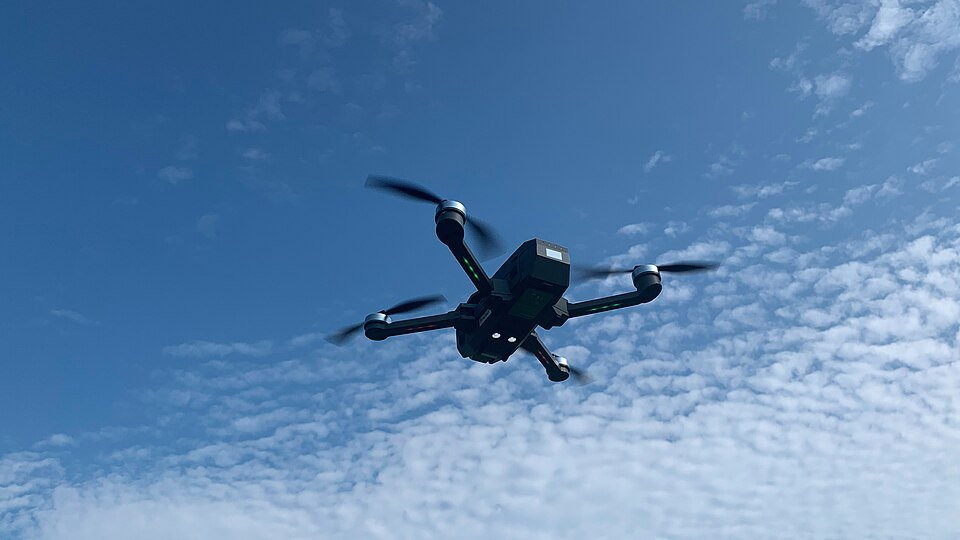
Develop introductory technical knowledge of remotely piloted aircraft used for legitimate civilian work. The proposed certificate focuses on recognising system components, reading information and conducting supervised checks. Southern African applications should include environmental observation, mapping or agricultural monitoring, with privacy, aviation responsibilities and data quality considered from the start.
What you'll learn
- Describe the functions of the main components of a civilian drone system.
- Interpret basic diagrams and technical instructions.
- Complete an authorised inspection or bench-test record under supervision.
- Explain the difference between technical study and permission to fly.
Requirements
- Entry requires a relevant National Foundation Certificate or Ordinary Level (O Level) school qualification. English Language is required.
- African Kalanga is a compulsory graduation subject in every year of this programme. BMIT confirms the approved entry route, any recognition of prior learning and access to required practical facilities before enrolment.
Course content
Subjects in this programme
The subjects are grouped by learning stage, from foundations to specialist study and supervised application. Complete earlier foundations before the related advanced work. Clinical, laboratory, field and workplace subjects use approved facilities and supervision appropriate to the programme.
17 subjects are listed below, with a short description of each. The Subject descriptions tab contains the learning outcomes, topics, practical tasks and assessments.
Stage 1: Foundations
- Technical Numeracy. Examine units, ratios and their relationship within technical numeracy. The subject develops measurement and geometry, then examines graphs and checking calculations. Solve measurements and costing problems from a practical teaching task.
- Mechanics and General Physics. Develop your understanding of mechanics and general physics through motion and forces. The subject develops energy and momentum, then examines oscillations and measurement uncertainty. Use a supervised teaching experiment to compare observation with a physical model.
- Electrical and Electronic Fundamentals. Study electrical quantities and components as foundations for electrical and electronic fundamentals. The subject develops simple circuits and signals, then examines measurement and safe limits. Use current-limited low-voltage teaching equipment with supervision.
- Workshop Tools and Practice. Examine tool identification, care and their relationship within workshop tools and practice. The subject develops measuring tools and work preparation, then examines housekeeping and safe storage. Use approved hand tools under direct workshop supervision.
- Technical Drawing Fundamentals. Develop your understanding of technical drawing fundamentals through symbols and views. The subject develops dimensions and sketching, then examines instructions and checking. Produce and interpret a simple workshop drawing.
- Academic and Professional Communication. Study reading strategies and evidence use as foundations for academic and professional communication. The subject develops report structure and presentations, then examines audience and referencing. Prepare a report and presentation for a defined professional audience.
Stage 2: Technical and applied subjects
- Digital Electronics. Examine binary representation, logic gates and their relationship within digital electronics. The subject develops combinational circuits and sequential circuits, then examines timing and digital interfaces. Implement a small logic function using simulation or approved low-voltage equipment.
- Embedded Systems. Develop your understanding of embedded systems through microcontroller architecture and input and output. The subject develops timing and interrupts, then examines embedded programming and interface testing. Develop a low-voltage sensor application in an approved teaching environment.
- Civilian RPAS Systems. Study aircraft components and sensors as foundations for civilian rpas systems. The subject develops power systems and software, then examines system diagrams and technical records. Inspect non-flying teaching equipment under qualified supervision.
- Civil Aviation Responsibilities. Examine training roles, aircraft permissions and their relationship within civil aviation responsibilities. The subject develops operational approvals and airspace, then examines privacy and incident reporting. Analyse a civilian drone case using supplied current regulatory materials.
- RPAS Maintenance and Testing. Develop your understanding of rpas maintenance and testing through inspection and configuration records. The subject develops calibration concepts and fault diagnosis, then examines test evidence and maintenance planning. Use an approved non-flying bench setup or simulation for technical evaluation.
- Civilian Drone Applications. Study mapping and agriculture as foundations for civilian drone applications. The subject develops environmental observation and inspection, then examines data quality and feasibility. Compare civilian applications using public imagery and teaching cases.
Stage 3: Supervised practice and integration
- Occupational Safety and Risk. Examine hazard identification, exposure and their relationship within occupational safety and risk. The subject develops risk assessment and hierarchy of controls, then examines incident learning and worker participation. Review an authorised workplace case and propose proportionate controls.
- Foundation Practical Project. Develop your understanding of foundation practical project through brief interpretation and preparation. The subject develops supervised execution and quality checking, then examines corrections and reflection. Complete an approved foundation task within the programme practical scope.
African History and Pan Africanism
- African History and Pan Africanism 101 (Level 1, compulsory core module): Study African history through oral, written and archaeological evidence. Examine the diversity of African societies, knowledge and exchange, then trace the emergence of Pan African ideas about identity, solidarity and self-determination.
- African History and Pan Africanism 201 (Level 2, compulsory core module): Examine colonial change, resistance and liberation across Africa, with attention to Zimbabwe and South Africa. Compare Pan African movements, organisations and debates, including contributions from women, workers and diaspora communities.
- African History and Pan Africanism 301 (Level 3, compulsory core module): Evaluate the legacy of Pan Africanism in continental and regional cooperation, culture and public life. Apply historical inquiry to a heritage, community or professional issue, recognising both achievements and contested interpretations.
Assessment and practical learning
- Proposed assessment: short knowledge checks, calculations and interpretation of technical information.
- Direct observation of authorised practical tasks, supported by an individual record of preparation, results and quality checks.
- An applied project and oral explanation. Weighting, external examinations and award requirements remain subject to the approved BMIT and awarding-body arrangements.
Practical application
Practical work should begin with non-flying training equipment and simulation under a qualified supervisor. Flight activity requires the relevant civil aviation approvals and appropriately authorised instruction. Technical course completion does not confer a remote pilot licence, operator approval or permission to conduct aerial work.
African History and Pan Africanism practical learning
- African History and Pan Africanism 101: Create an annotated timeline or digital learning poster on a selected African society or historical development. Compare at least two credible sources and explain one connection with your field of study.
- African History and Pan Africanism 201: Develop a comparative case study of a liberation issue or Pan African debate relevant to Southern Africa. Use a historical document alongside a scholarly account and explain differences in purpose and interpretation.
- African History and Pan Africanism 301: Prepare a sourced heritage or civic-learning project connected with your field or a Southern African community. Explain its historical basis, audience, permission needs and limits. Obtain consent if you conduct interviews.
Subject descriptions
Each subject below includes its purpose, learning outcomes, main topics, practical task and assessment approach.
Technical Numeracy
Stage 1: Foundations
Examine units, ratios and their relationship within technical numeracy. The subject develops measurement and geometry, then examines graphs and checking calculations. Solve measurements and costing problems from a practical teaching task.
Learning outcomes
- Explain units and ratios using an appropriate example.
- Analyse a subject-related problem involving measurement and geometry.
- Present reasoned evidence addressing graphs and checking calculations.
Main topics
- Units
- Ratios
- Measurement
- Geometry
- Graphs
- Checking calculations
Practical task
Solve measurements and costing problems from a practical teaching task.
Assessment
Submit checked calculations with units and a clear explanation.
Mechanics and General Physics
Stage 1: Foundations
Develop your understanding of mechanics and general physics through motion and forces. The subject develops energy and momentum, then examines oscillations and measurement uncertainty. Use a supervised teaching experiment to compare observation with a physical model.
Learning outcomes
- Explain motion and forces using an appropriate example.
- Analyse a subject-related problem involving energy and momentum.
- Present reasoned evidence addressing oscillations and measurement uncertainty.
Main topics
- Motion
- Forces
- Energy
- Momentum
- Oscillations
- Measurement uncertainty
Practical task
Use a supervised teaching experiment to compare observation with a physical model.
Assessment
Submit a laboratory report and quantitative problem set.
Electrical and Electronic Fundamentals
Stage 1: Foundations
Study electrical quantities and components as foundations for electrical and electronic fundamentals. The subject develops simple circuits and signals, then examines measurement and safe limits. Use current-limited low-voltage teaching equipment with supervision.
Learning outcomes
- Explain electrical quantities and components using an appropriate example.
- Analyse a subject-related problem involving simple circuits and signals.
- Present reasoned evidence addressing measurement and safe limits.
Main topics
- Electrical quantities
- Components
- Simple circuits
- Signals
- Measurement
- Safe limits
Practical task
Use current-limited low-voltage teaching equipment with supervision.
Assessment
Submit observed practical evidence and basic circuit explanations.
Workshop Tools and Practice
Stage 1: Foundations
Examine tool identification, care and their relationship within workshop tools and practice. The subject develops measuring tools and work preparation, then examines housekeeping and safe storage. Use approved hand tools under direct workshop supervision.
Learning outcomes
- Explain tool identification and care using an appropriate example.
- Analyse a subject-related problem involving measuring tools and work preparation.
- Present reasoned evidence addressing housekeeping and safe storage.
Main topics
- Tool identification
- Care
- Measuring tools
- Work preparation
- Housekeeping
- Safe storage
Practical task
Use approved hand tools under direct workshop supervision.
Assessment
Complete an observed practical task and tool-care record.
Technical Drawing Fundamentals
Stage 1: Foundations
Develop your understanding of technical drawing fundamentals through symbols and views. The subject develops dimensions and sketching, then examines instructions and checking. Produce and interpret a simple workshop drawing.
Learning outcomes
- Explain symbols and views using an appropriate example.
- Analyse a subject-related problem involving dimensions and sketching.
- Present reasoned evidence addressing instructions and checking.
Main topics
- Symbols
- Views
- Dimensions
- Sketching
- Instructions
- Checking
Practical task
Produce and interpret a simple workshop drawing.
Assessment
Submit a drawing portfolio and interpretation exercise.
Academic and Professional Communication
Stage 1: Foundations
Study reading strategies and evidence use as foundations for academic and professional communication. The subject develops report structure and presentations, then examines audience and referencing. Prepare a report and presentation for a defined professional audience.
Learning outcomes
- Explain reading strategies and evidence use using an appropriate example.
- Analyse a subject-related problem involving report structure and presentations.
- Present reasoned evidence addressing audience and referencing.
Main topics
- Reading strategies
- Evidence use
- Report structure
- Presentations
- Audience
- Referencing
Practical task
Prepare a report and presentation for a defined professional audience.
Assessment
Submit revised written work and an individual presentation.
Digital Electronics
Stage 2: Technical and applied subjects
Examine binary representation, logic gates and their relationship within digital electronics. The subject develops combinational circuits and sequential circuits, then examines timing and digital interfaces. Implement a small logic function using simulation or approved low-voltage equipment.
Learning outcomes
- Explain binary representation and logic gates using an appropriate example.
- Analyse a subject-related problem involving combinational circuits and sequential circuits.
- Present reasoned evidence addressing timing and digital interfaces.
Main topics
- Binary representation
- Logic gates
- Combinational circuits
- Sequential circuits
- Timing
- Digital interfaces
Practical task
Implement a small logic function using simulation or approved low-voltage equipment.
Assessment
Submit a logic design, test cases and timing analysis.
Embedded Systems
Stage 2: Technical and applied subjects
Develop your understanding of embedded systems through microcontroller architecture and input and output. The subject develops timing and interrupts, then examines embedded programming and interface testing. Develop a low-voltage sensor application in an approved teaching environment.
Learning outcomes
- Explain microcontroller architecture and input and output using an appropriate example.
- Analyse a subject-related problem involving timing and interrupts.
- Present reasoned evidence addressing embedded programming and interface testing.
Main topics
- Microcontroller architecture
- Input and output
- Timing
- Interrupts
- Embedded programming
- Interface testing
Practical task
Develop a low-voltage sensor application in an approved teaching environment.
Assessment
Submit code, interface diagrams and test evidence.
Civilian RPAS Systems
Stage 2: Technical and applied subjects
Study aircraft components and sensors as foundations for civilian rpas systems. The subject develops power systems and software, then examines system diagrams and technical records. Inspect non-flying teaching equipment under qualified supervision.
Learning outcomes
- Explain aircraft components and sensors using an appropriate example.
- Analyse a subject-related problem involving power systems and software.
- Present reasoned evidence addressing system diagrams and technical records.
Main topics
- Aircraft components
- Sensors
- Power systems
- Software
- System diagrams
- Technical records
Practical task
Inspect non-flying teaching equipment under qualified supervision.
Assessment
Submit a system map and component-condition record.
Civil Aviation Responsibilities
Stage 2: Technical and applied subjects
Examine training roles, aircraft permissions and their relationship within civil aviation responsibilities. The subject develops operational approvals and airspace, then examines privacy and incident reporting. Analyse a civilian drone case using supplied current regulatory materials.
Learning outcomes
- Explain training roles and aircraft permissions using an appropriate example.
- Analyse a subject-related problem involving operational approvals and airspace.
- Present reasoned evidence addressing privacy and incident reporting.
Main topics
- Training roles
- Aircraft permissions
- Operational approvals
- Airspace
- Privacy
- Incident reporting
Practical task
Analyse a civilian drone case using supplied current regulatory materials.
Assessment
Submit an authorisation and responsibility brief. No flying permission is conferred.
RPAS Maintenance and Testing
Stage 2: Technical and applied subjects
Develop your understanding of rpas maintenance and testing through inspection and configuration records. The subject develops calibration concepts and fault diagnosis, then examines test evidence and maintenance planning. Use an approved non-flying bench setup or simulation for technical evaluation.
Learning outcomes
- Explain inspection and configuration records using an appropriate example.
- Analyse a subject-related problem involving calibration concepts and fault diagnosis.
- Present reasoned evidence addressing test evidence and maintenance planning.
Main topics
- Inspection
- Configuration records
- Calibration concepts
- Fault diagnosis
- Test evidence
- Maintenance planning
Practical task
Use an approved non-flying bench setup or simulation for technical evaluation.
Assessment
Submit a maintenance-learning dossier and test report.
Civilian Drone Applications
Stage 2: Technical and applied subjects
Study mapping and agriculture as foundations for civilian drone applications. The subject develops environmental observation and inspection, then examines data quality and feasibility. Compare civilian applications using public imagery and teaching cases.
Learning outcomes
- Explain mapping and agriculture using an appropriate example.
- Analyse a subject-related problem involving environmental observation and inspection.
- Present reasoned evidence addressing data quality and feasibility.
Main topics
- Mapping
- Agriculture
- Environmental observation
- Inspection
- Data quality
- Feasibility
Practical task
Compare civilian applications using public imagery and teaching cases.
Assessment
Submit an application proposal with permissions and data-quality requirements.
Occupational Safety and Risk
Stage 3: Supervised practice and integration
Examine hazard identification, exposure and their relationship within occupational safety and risk. The subject develops risk assessment and hierarchy of controls, then examines incident learning and worker participation. Review an authorised workplace case and propose proportionate controls.
Learning outcomes
- Explain hazard identification and exposure using an appropriate example.
- Analyse a subject-related problem involving risk assessment and hierarchy of controls.
- Present reasoned evidence addressing incident learning and worker participation.
Main topics
- Hazard identification
- Exposure
- Risk assessment
- Hierarchy of controls
- Incident learning
- Worker participation
Practical task
Review an authorised workplace case and propose proportionate controls.
Assessment
Submit a risk assessment and a follow-up evaluation plan.
Foundation Practical Project
Stage 3: Supervised practice and integration
Develop your understanding of foundation practical project through brief interpretation and preparation. The subject develops supervised execution and quality checking, then examines corrections and reflection. Complete an approved foundation task within the programme practical scope.
Learning outcomes
- Explain brief interpretation and preparation using an appropriate example.
- Analyse a subject-related problem involving supervised execution and quality checking.
- Present reasoned evidence addressing corrections and reflection.
Main topics
- Brief interpretation
- Preparation
- Supervised execution
- Quality checking
- Corrections
- Reflection
Practical task
Complete an approved foundation task within the programme practical scope.
Assessment
Submit the finished work, observed competence record and explanation of corrections.
African History and Pan Africanism 101
Compulsory core module · Level 1
Study African history through oral, written and archaeological evidence. Examine the diversity of African societies, knowledge and exchange, then trace the emergence of Pan African ideas about identity, solidarity and self-determination.
Learning outcomes
- Place selected African societies and events within a supported historical timeline.
- Compare historical sources and identify perspective, evidence and uncertainty.
- Explain the foundations of Pan Africanism and the contributions of Africans and the diaspora.
Main topics
- Historical inquiry, chronology, oral traditions and source evaluation
- African civilisations, states, trade, livelihoods and knowledge systems
- Southern African history, including Mapungubgwe and Great Zimbabwe
- Slavery, the African diaspora and changing ideas about identity
- Origins of Pan Africanism, solidarity, self-determination and cultural expression
Practical task
Create an annotated timeline or digital learning poster on a selected African society or historical development. Compare at least two credible sources and explain one connection with your field of study.
Assessment
Submit the timeline or poster, an annotated source list and a short explanation of the evidence. Assessment considers chronology, historical accuracy, source judgement and the clarity of your interpretation.
Learning resources
African History and Pan Africanism 201
Compulsory core module · Level 2
Examine colonial change, resistance and liberation across Africa, with attention to Zimbabwe and South Africa. Compare Pan African movements, organisations and debates, including contributions from women, workers and diaspora communities.
Learning outcomes
- Analyse the effects of colonial rule on land, labour, institutions and social relations.
- Compare liberation movements and Pan African arguments using contextual evidence.
- Explain how different groups shaped independence, solidarity and debates about freedom.
Main topics
- Colonial rule, land, labour, education and forms of resistance
- Nationalism, liberation and the end of colonial rule and apartheid
- Pan African congresses, organisations and contrasting interpretations
- Women, labour movements and diaspora participation
- The Organisation of African Unity and debates about unity, sovereignty and development
Practical task
Develop a comparative case study of a liberation issue or Pan African debate relevant to Southern Africa. Use a historical document alongside a scholarly account and explain differences in purpose and interpretation.
Assessment
Submit the case study, a source comparison and a reflection on your conclusions. Assessment considers context, evidence, recognition of different perspectives and the quality of your argument.
Learning resources
African History and Pan Africanism 301
Compulsory core module · Level 3
Evaluate the legacy of Pan Africanism in continental and regional cooperation, culture and public life. Apply historical inquiry to a heritage, community or professional issue, recognising both achievements and contested interpretations.
Learning outcomes
- Evaluate continuity and change from the Organisation of African Unity to the African Union.
- Assess a contemporary Pan African issue using historical evidence and contrasting views.
- Develop an ethical, well-sourced project connecting African history with your field or community.
Main topics
- The African Union, regional cooperation and Southern African integration
- Agenda 2063, development and debates about continental priorities
- Citizenship, migration, diaspora connections and cultural exchange
- African knowledge, heritage, public history and contested narratives
- Research ethics, source attribution and evaluation of a community or professional project
Practical task
Prepare a sourced heritage or civic-learning project connected with your field or a Southern African community. Explain its historical basis, audience, permission needs and limits. Obtain consent if you conduct interviews.
Assessment
Submit a project brief, an annotated source portfolio, a public-facing learning resource and an evaluation of your interpretation. Assessment considers evidence, ethical practice, historical reasoning and usefulness to the intended audience.
Learning resources
Instructors
Enrolment options
National Certificate in Drone Technology
Develop introductory technical knowledge of remotely piloted aircraft used for legitimate civilian work. The proposed certificate focuses on recognising system components, reading information and conducting supervised checks. Southern African applications should include environmental observation, mapping or agricultural monitoring, with privacy, aviation responsibilities and data quality considered from the start.
- Teacher: ImfundoSpace Administrator
- Enrolled students: There are no students enrolled in this course.


