About the course
Connect environmental science with engineering analysis of resource use, pollution and treatment systems. The proposed degree asks learners to define a local environmental problem before selecting a technical response. Southern African cases should consider the reliability of measurements, community priorities, operating resources and the responsibilities attached to environmental decisions.
What you'll learn
- Explain environmental processes relevant to an engineering problem.
- Interpret environmental monitoring results with appropriate uncertainty.
- Compare prevention, treatment or resource-recovery options.
- Prepare a technically justified environmental investigation or design proposal.
Requirements
- Recommended preparation includes strong mathematics, physical science, technical English and computer literacy. BMIT must publish its approved admissions and recognition-of-prior-learning rules before enrolment decisions. Comparator universities set their own thresholds. Their credits, module codes and duration have not been transferred to this outline.
Course content
Subjects in this programme
The subjects are grouped by learning stage, from foundations to specialist study and supervised application. Complete earlier foundations before the related advanced work. Clinical, laboratory, field and workplace subjects use approved facilities and supervision appropriate to the programme.
30 subjects are listed below, with a short description of each. The Subject descriptions tab contains the learning outcomes, topics, practical tasks and assessments.
Stage 1: Mathematical, scientific and professional foundations
- Differential Calculus. Examine functions, limits and their relationship within differential calculus. The subject develops differentiation and rates of change, then examines optimisation and model assumptions. Analyse a measured change and compare graphical and algebraic solutions.
- Integral Calculus and Differential Equations. Develop your understanding of integral calculus and differential equations through integration and accumulated quantities. The subject develops first-order equations and second-order equations, then examines initial conditions and numerical checks. Model a simple accumulation process and check the solution against a numerical estimate.
- Linear Algebra. Study vectors and matrices as foundations for linear algebra. The subject develops linear systems and eigenvalues, then examines transformations and computational verification. Solve a small system using manual reasoning and a computational check.
- Mechanics and General Physics. Examine motion, forces and their relationship within mechanics and general physics. The subject develops energy and momentum, then examines oscillations and measurement uncertainty. Use a supervised teaching experiment to compare observation with a physical model.
- Electricity, Magnetism and Waves. Develop your understanding of electricity, magnetism and waves through electric fields and magnetic fields. The subject develops electromagnetic induction and wave behaviour, then examines optical principles and physical models. Interpret measurements from supervised electrical or optical teaching equipment.
- General Chemistry. Study atomic structure and bonding as foundations for general chemistry. The subject develops chemical quantities and solutions, then examines equilibrium and acids and bases. Analyse low-risk teaching data and complete approved laboratory exercises.
- Engineering Drawing and CAD. Examine orthographic views, sections and their relationship within engineering drawing and cad. The subject develops dimensions and tolerances, then examines assembly drawings and digital modelling. Produce drawings for a non-safety-critical teaching component.
- Programming Fundamentals. Develop your understanding of programming fundamentals through variables and control flow. The subject develops functions and data structures, then examines file handling and testing. Develop a small program which processes a defined teaching dataset.
- Engineering Materials. Study material classes and structure and properties as foundations for engineering materials. The subject develops mechanical behaviour and thermal behaviour, then examines corrosion and material selection. Compare material samples or published teaching data against a component brief.
- Engineering Statics. Examine force systems, equilibrium and their relationship within engineering statics. The subject develops free-body diagrams and structures, then examines friction and distributed loads. Analyse a simple structural model and check equilibrium experimentally.
- Academic and Professional Communication. Develop your understanding of academic and professional communication through reading strategies and evidence use. The subject develops report structure and presentations, then examines audience and referencing. Prepare a report and presentation for a defined professional audience.
- Engineering Professional Practice. Study professional responsibility and ethics as foundations for engineering professional practice. The subject develops technical communication and public welfare, then examines evidence integrity and continuing development. Analyse a regional engineering decision involving conflicting responsibilities.
Stage 2: Core engineering subjects
- Material and Energy Balances. Examine process boundaries, conservation and their relationship within material and energy balances. The subject develops recycle and bypass, then examines energy streams and balance verification. Reconcile a process flowsheet using supplied measurements.
- Fluid Mechanics. Develop your understanding of fluid mechanics through fluid properties and pressure. The subject develops continuity and energy equations, then examines pipe flow and flow measurement. Compare flow estimates with data from a supervised water-based teaching rig.
- Heat Transfer. Study conduction and convection as foundations for heat transfer. The subject develops radiation and heat exchangers, then examines transient behaviour and thermal resistance. Evaluate a safe teaching heat-transfer experiment or validated simulation.
- Environmental Chemistry. Examine chemical fate, water chemistry and their relationship within environmental chemistry. The subject develops soil chemistry and air chemistry, then examines contaminants and analytical evidence. Interpret approved environmental chemistry data and method limitations.
- Ecology. Develop your understanding of ecology through populations and communities. The subject develops ecosystems and energy flows, then examines species interactions and ecological evidence. Analyse an approved field observation or ecological dataset.
- Water Resources Management. Study catchments and water balance as foundations for water resources management. The subject develops demand and allocation, then examines water quality and governance. Analyse a catchment teaching case with competing water uses.
- Pollution Monitoring and Control. Examine sources, exposure pathways and their relationship within pollution monitoring and control. The subject develops air pollution and water pollution, then examines soil contamination and prevention. Review a permissioned monitoring dataset and compare preventive responses.
- Applied Statistics. Develop your understanding of applied statistics through descriptive measures and probability. The subject develops sampling and estimation, then examines hypothesis testing and regression. Analyse an approved dataset and distinguish uncertainty from systematic bias.
Stage 3: Specialist and integrative subjects
- Waste and Sanitation Systems. Study waste streams and collection as foundations for waste and sanitation systems. The subject develops treatment concepts and sanitation, then examines resource recovery and public-service responsibilities. Evaluate a local waste or sanitation teaching case.
- Environmental Impact Assessment. Examine project screening, baselines and their relationship within environmental impact assessment. The subject develops impact pathways and alternatives, then examines mitigation and monitoring. Develop an educational impact review for a defined proposed activity.
- Environmental Policy and Governance. Develop your understanding of environmental policy and governance through institutions and rights and duties. The subject develops policy instruments and participation, then examines compliance and accountability. Compare governance responses to a documented environmental problem.
- Process Safety and Environmental Control. Study hazard studies and containment as foundations for process safety and environmental control. The subject develops protective layers and human factors, then examines waste prevention and incident analysis. Review a public industrial case and identify preventive system improvements.
- Climate and Environmental Change. Examine weather systems, climate variability and their relationship within climate and environmental change. The subject develops climate evidence and impacts, then examines adaptation and uncertainty. Interpret regional climate information and compare adaptation choices.
- Research Methods. Develop your understanding of research methods through research questions and literature review. The subject develops study design and data collection, then examines ethics and interpretation. Prepare a feasible investigation proposal with a defined evidence need.
Stage 4: Design, practice and final project
- Engineering Design Methods. Study problem definition and requirements as foundations for engineering design methods. The subject develops concept comparison and constraints, then examines verification planning and design review. Develop and review alternatives for a defined civilian technical need.
- Project Development and Feasibility. Examine problem definition, evidence review and their relationship within project development and feasibility. The subject develops requirements and method selection, then examines feasibility and evaluation criteria. Develop an approved discipline-specific project proposal with a supervisor.
- Supervised Workplace Learning. Develop your understanding of supervised workplace learning through workplace roles and approved task planning. The subject develops professional conduct and technical records, then examines feedback and reflective learning. Complete an agreed placement task under an approved workplace supervisor.
- Integrated Project and Technical Report. Study implementation and evidence collection as foundations for integrated project and technical report. The subject develops analysis and verification, then examines limitations and communication. Complete the approved project and maintain an auditable evidence record.
Assessment and practical learning
- Proposed assessment: mathematical problem sets and technical reports with calculations, units, assumptions and limitations made explicit.
- Supervised laboratory or workshop tasks assessed through observation, evidence records and an individual explanation of results.
- An integrated design or investigation portfolio, presentation and written assessment. BMIT must approve weighting and progression rules.
Practical application
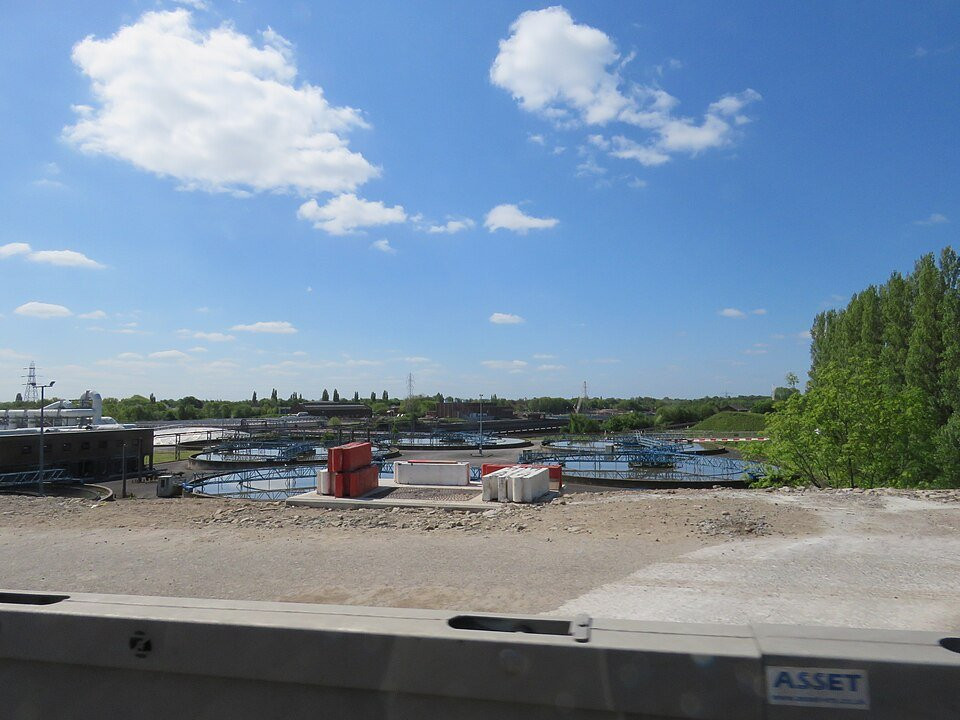
Practical work should combine approved field observations with supervised laboratory or treatment-system study. Sampling requires permission, suitable quality controls and a record of site conditions. Learners should assess operational feasibility as well as predicted performance. Reports must distinguish educational recommendations from statutory environmental authorisations.
Subject descriptions
Each subject below includes its purpose, learning outcomes, main topics, practical task and assessment approach.
Differential Calculus
Stage 1: Mathematical, scientific and professional foundations
Examine functions, limits and their relationship within differential calculus. The subject develops differentiation and rates of change, then examines optimisation and model assumptions. Analyse a measured change and compare graphical and algebraic solutions.
Learning outcomes
- Explain functions and limits using an appropriate example.
- Analyse a subject-related problem involving differentiation and rates of change.
- Present reasoned evidence addressing optimisation and model assumptions.
Main topics
- Functions
- Limits
- Differentiation
- Rates of change
- Optimisation
- Model assumptions
Practical task
Analyse a measured change and compare graphical and algebraic solutions.
Assessment
Submit worked problems and a short interpretation of an optimisation case.
Integral Calculus and Differential Equations
Stage 1: Mathematical, scientific and professional foundations
Develop your understanding of integral calculus and differential equations through integration and accumulated quantities. The subject develops first-order equations and second-order equations, then examines initial conditions and numerical checks. Model a simple accumulation process and check the solution against a numerical estimate.
Learning outcomes
- Explain integration and accumulated quantities using an appropriate example.
- Analyse a subject-related problem involving first-order equations and second-order equations.
- Present reasoned evidence addressing initial conditions and numerical checks.
Main topics
- Integration
- Accumulated quantities
- First-order equations
- Second-order equations
- Initial conditions
- Numerical checks
Practical task
Model a simple accumulation process and check the solution against a numerical estimate.
Assessment
Complete an analytical assignment explaining initial conditions and solution limits.
Linear Algebra
Stage 1: Mathematical, scientific and professional foundations
Study vectors and matrices as foundations for linear algebra. The subject develops linear systems and eigenvalues, then examines transformations and computational verification. Solve a small system using manual reasoning and a computational check.
Learning outcomes
- Explain vectors and matrices using an appropriate example.
- Analyse a subject-related problem involving linear systems and eigenvalues.
- Present reasoned evidence addressing transformations and computational verification.
Main topics
- Vectors
- Matrices
- Linear systems
- Eigenvalues
- Transformations
- Computational verification
Practical task
Solve a small system using manual reasoning and a computational check.
Assessment
Submit calculations and an explanation of the meaning of the solution.
Mechanics and General Physics
Stage 1: Mathematical, scientific and professional foundations
Examine motion, forces and their relationship within mechanics and general physics. The subject develops energy and momentum, then examines oscillations and measurement uncertainty. Use a supervised teaching experiment to compare observation with a physical model.
Learning outcomes
- Explain motion and forces using an appropriate example.
- Analyse a subject-related problem involving energy and momentum.
- Present reasoned evidence addressing oscillations and measurement uncertainty.
Main topics
- Motion
- Forces
- Energy
- Momentum
- Oscillations
- Measurement uncertainty
Practical task
Use a supervised teaching experiment to compare observation with a physical model.
Assessment
Submit a laboratory report and quantitative problem set.
Electricity, Magnetism and Waves
Stage 1: Mathematical, scientific and professional foundations
Develop your understanding of electricity, magnetism and waves through electric fields and magnetic fields. The subject develops electromagnetic induction and wave behaviour, then examines optical principles and physical models. Interpret measurements from supervised electrical or optical teaching equipment.
Learning outcomes
- Explain electric fields and magnetic fields using an appropriate example.
- Analyse a subject-related problem involving electromagnetic induction and wave behaviour.
- Present reasoned evidence addressing optical principles and physical models.
Main topics
- Electric fields
- Magnetic fields
- Electromagnetic induction
- Wave behaviour
- Optical principles
- Physical models
Practical task
Interpret measurements from supervised electrical or optical teaching equipment.
Assessment
Complete calculations and a report explaining discrepancies from theory.
General Chemistry
Stage 1: Mathematical, scientific and professional foundations
Study atomic structure and bonding as foundations for general chemistry. The subject develops chemical quantities and solutions, then examines equilibrium and acids and bases. Analyse low-risk teaching data and complete approved laboratory exercises.
Learning outcomes
- Explain atomic structure and bonding using an appropriate example.
- Analyse a subject-related problem involving chemical quantities and solutions.
- Present reasoned evidence addressing equilibrium and acids and bases.
Main topics
- Atomic structure
- Bonding
- Chemical quantities
- Solutions
- Equilibrium
- Acids and bases
Practical task
Analyse low-risk teaching data and complete approved laboratory exercises.
Assessment
Submit a practical record and calculations with units and assumptions.
Engineering Drawing and CAD
Stage 1: Mathematical, scientific and professional foundations
Examine orthographic views, sections and their relationship within engineering drawing and cad. The subject develops dimensions and tolerances, then examines assembly drawings and digital modelling. Produce drawings for a non-safety-critical teaching component.
Learning outcomes
- Explain orthographic views and sections using an appropriate example.
- Analyse a subject-related problem involving dimensions and tolerances.
- Present reasoned evidence addressing assembly drawings and digital modelling.
Main topics
- Orthographic views
- Sections
- Dimensions
- Tolerances
- Assembly drawings
- Digital modelling
Practical task
Produce drawings for a non-safety-critical teaching component.
Assessment
Submit dimensioned drawings and explain design communication choices.
Programming Fundamentals
Stage 1: Mathematical, scientific and professional foundations
Develop your understanding of programming fundamentals through variables and control flow. The subject develops functions and data structures, then examines file handling and testing. Develop a small program which processes a defined teaching dataset.
Learning outcomes
- Explain variables and control flow using an appropriate example.
- Analyse a subject-related problem involving functions and data structures.
- Present reasoned evidence addressing file handling and testing.
Main topics
- Variables
- Control flow
- Functions
- Data structures
- File handling
- Testing
Practical task
Develop a small program which processes a defined teaching dataset.
Assessment
Submit working code, tests and a concise user explanation.
Engineering Materials
Stage 1: Mathematical, scientific and professional foundations
Study material classes and structure and properties as foundations for engineering materials. The subject develops mechanical behaviour and thermal behaviour, then examines corrosion and material selection. Compare material samples or published teaching data against a component brief.
Learning outcomes
- Explain material classes and structure and properties using an appropriate example.
- Analyse a subject-related problem involving mechanical behaviour and thermal behaviour.
- Present reasoned evidence addressing corrosion and material selection.
Main topics
- Material classes
- Structure and properties
- Mechanical behaviour
- Thermal behaviour
- Corrosion
- Material selection
Practical task
Compare material samples or published teaching data against a component brief.
Assessment
Submit a selection report explaining evidence and trade-offs.
Engineering Statics
Stage 1: Mathematical, scientific and professional foundations
Examine force systems, equilibrium and their relationship within engineering statics. The subject develops free-body diagrams and structures, then examines friction and distributed loads. Analyse a simple structural model and check equilibrium experimentally.
Learning outcomes
- Explain force systems and equilibrium using an appropriate example.
- Analyse a subject-related problem involving free-body diagrams and structures.
- Present reasoned evidence addressing friction and distributed loads.
Main topics
- Force systems
- Equilibrium
- Free-body diagrams
- Structures
- Friction
- Distributed loads
Practical task
Analyse a simple structural model and check equilibrium experimentally.
Assessment
Submit calculations, diagrams and a short validation report.
Academic and Professional Communication
Stage 1: Mathematical, scientific and professional foundations
Develop your understanding of academic and professional communication through reading strategies and evidence use. The subject develops report structure and presentations, then examines audience and referencing. Prepare a report and presentation for a defined professional audience.
Learning outcomes
- Explain reading strategies and evidence use using an appropriate example.
- Analyse a subject-related problem involving report structure and presentations.
- Present reasoned evidence addressing audience and referencing.
Main topics
- Reading strategies
- Evidence use
- Report structure
- Presentations
- Audience
- Referencing
Practical task
Prepare a report and presentation for a defined professional audience.
Assessment
Submit revised written work and an individual presentation.
Engineering Professional Practice
Stage 1: Mathematical, scientific and professional foundations
Study professional responsibility and ethics as foundations for engineering professional practice. The subject develops technical communication and public welfare, then examines evidence integrity and continuing development. Analyse a regional engineering decision involving conflicting responsibilities.
Learning outcomes
- Explain professional responsibility and ethics using an appropriate example.
- Analyse a subject-related problem involving technical communication and public welfare.
- Present reasoned evidence addressing evidence integrity and continuing development.
Main topics
- Professional responsibility
- Ethics
- Technical communication
- Public welfare
- Evidence integrity
- Continuing development
Practical task
Analyse a regional engineering decision involving conflicting responsibilities.
Assessment
Submit an ethical decision brief and a professional communication exercise.
Material and Energy Balances
Stage 2: Core engineering subjects
Examine process boundaries, conservation and their relationship within material and energy balances. The subject develops recycle and bypass, then examines energy streams and balance verification. Reconcile a process flowsheet using supplied measurements.
Learning outcomes
- Explain process boundaries and conservation using an appropriate example.
- Analyse a subject-related problem involving recycle and bypass.
- Present reasoned evidence addressing energy streams and balance verification.
Main topics
- Process boundaries
- Conservation
- Recycle
- Bypass
- Energy streams
- Balance verification
Practical task
Reconcile a process flowsheet using supplied measurements.
Assessment
Submit transparent balances and an uncertainty discussion.
Fluid Mechanics
Stage 2: Core engineering subjects
Develop your understanding of fluid mechanics through fluid properties and pressure. The subject develops continuity and energy equations, then examines pipe flow and flow measurement. Compare flow estimates with data from a supervised water-based teaching rig.
Learning outcomes
- Explain fluid properties and pressure using an appropriate example.
- Analyse a subject-related problem involving continuity and energy equations.
- Present reasoned evidence addressing pipe flow and flow measurement.
Main topics
- Fluid properties
- Pressure
- Continuity
- Energy equations
- Pipe flow
- Flow measurement
Practical task
Compare flow estimates with data from a supervised water-based teaching rig.
Assessment
Submit a laboratory report and engineering calculations.
Heat Transfer
Stage 2: Core engineering subjects
Study conduction and convection as foundations for heat transfer. The subject develops radiation and heat exchangers, then examines transient behaviour and thermal resistance. Evaluate a safe teaching heat-transfer experiment or validated simulation.
Learning outcomes
- Explain conduction and convection using an appropriate example.
- Analyse a subject-related problem involving radiation and heat exchangers.
- Present reasoned evidence addressing transient behaviour and thermal resistance.
Main topics
- Conduction
- Convection
- Radiation
- Heat exchangers
- Transient behaviour
- Thermal resistance
Practical task
Evaluate a safe teaching heat-transfer experiment or validated simulation.
Assessment
Submit calculations and a report explaining thermal performance.
Environmental Chemistry
Stage 2: Core engineering subjects
Examine chemical fate, water chemistry and their relationship within environmental chemistry. The subject develops soil chemistry and air chemistry, then examines contaminants and analytical evidence. Interpret approved environmental chemistry data and method limitations.
Learning outcomes
- Explain chemical fate and water chemistry using an appropriate example.
- Analyse a subject-related problem involving soil chemistry and air chemistry.
- Present reasoned evidence addressing contaminants and analytical evidence.
Main topics
- Chemical fate
- Water chemistry
- Soil chemistry
- Air chemistry
- Contaminants
- Analytical evidence
Practical task
Interpret approved environmental chemistry data and method limitations.
Assessment
Submit a contamination-pathway and evidence-quality report.
Ecology
Stage 2: Core engineering subjects
Develop your understanding of ecology through populations and communities. The subject develops ecosystems and energy flows, then examines species interactions and ecological evidence. Analyse an approved field observation or ecological dataset.
Learning outcomes
- Explain populations and communities using an appropriate example.
- Analyse a subject-related problem involving ecosystems and energy flows.
- Present reasoned evidence addressing species interactions and ecological evidence.
Main topics
- Populations
- Communities
- Ecosystems
- Energy flows
- Species interactions
- Ecological evidence
Practical task
Analyse an approved field observation or ecological dataset.
Assessment
Submit an ecological interpretation with sampling limits.
Water Resources Management
Stage 2: Core engineering subjects
Study catchments and water balance as foundations for water resources management. The subject develops demand and allocation, then examines water quality and governance. Analyse a catchment teaching case with competing water uses.
Learning outcomes
- Explain catchments and water balance using an appropriate example.
- Analyse a subject-related problem involving demand and allocation.
- Present reasoned evidence addressing water quality and governance.
Main topics
- Catchments
- Water balance
- Demand
- Allocation
- Water quality
- Governance
Practical task
Analyse a catchment teaching case with competing water uses.
Assessment
Submit a resource-allocation and monitoring proposal.
Pollution Monitoring and Control
Stage 2: Core engineering subjects
Examine sources, exposure pathways and their relationship within pollution monitoring and control. The subject develops air pollution and water pollution, then examines soil contamination and prevention. Review a permissioned monitoring dataset and compare preventive responses.
Learning outcomes
- Explain sources and exposure pathways using an appropriate example.
- Analyse a subject-related problem involving air pollution and water pollution.
- Present reasoned evidence addressing soil contamination and prevention.
Main topics
- Sources
- Exposure pathways
- Air pollution
- Water pollution
- Soil contamination
- Prevention
Practical task
Review a permissioned monitoring dataset and compare preventive responses.
Assessment
Submit a pollution-control appraisal.
Applied Statistics
Stage 2: Core engineering subjects
Develop your understanding of applied statistics through descriptive measures and probability. The subject develops sampling and estimation, then examines hypothesis testing and regression. Analyse an approved dataset and distinguish uncertainty from systematic bias.
Learning outcomes
- Explain descriptive measures and probability using an appropriate example.
- Analyse a subject-related problem involving sampling and estimation.
- Present reasoned evidence addressing hypothesis testing and regression.
Main topics
- Descriptive measures
- Probability
- Sampling
- Estimation
- Hypothesis testing
- Regression
Practical task
Analyse an approved dataset and distinguish uncertainty from systematic bias.
Assessment
Submit a reproducible analysis with justified methods and interpretation.
Waste and Sanitation Systems
Stage 3: Specialist and integrative subjects
Study waste streams and collection as foundations for waste and sanitation systems. The subject develops treatment concepts and sanitation, then examines resource recovery and public-service responsibilities. Evaluate a local waste or sanitation teaching case.
Learning outcomes
- Explain waste streams and collection using an appropriate example.
- Analyse a subject-related problem involving treatment concepts and sanitation.
- Present reasoned evidence addressing resource recovery and public-service responsibilities.
Main topics
- Waste streams
- Collection
- Treatment concepts
- Sanitation
- Resource recovery
- Public-service responsibilities
Practical task
Evaluate a local waste or sanitation teaching case.
Assessment
Submit a service-improvement proposal and monitoring plan.
Environmental Impact Assessment
Stage 3: Specialist and integrative subjects
Examine project screening, baselines and their relationship within environmental impact assessment. The subject develops impact pathways and alternatives, then examines mitigation and monitoring. Develop an educational impact review for a defined proposed activity.
Learning outcomes
- Explain project screening and baselines using an appropriate example.
- Analyse a subject-related problem involving impact pathways and alternatives.
- Present reasoned evidence addressing mitigation and monitoring.
Main topics
- Project screening
- Baselines
- Impact pathways
- Alternatives
- Mitigation
- Monitoring
Practical task
Develop an educational impact review for a defined proposed activity.
Assessment
Submit an assessment report distinguishing evidence from assumptions.
Environmental Policy and Governance
Stage 3: Specialist and integrative subjects
Develop your understanding of environmental policy and governance through institutions and rights and duties. The subject develops policy instruments and participation, then examines compliance and accountability. Compare governance responses to a documented environmental problem.
Learning outcomes
- Explain institutions and rights and duties using an appropriate example.
- Analyse a subject-related problem involving policy instruments and participation.
- Present reasoned evidence addressing compliance and accountability.
Main topics
- Institutions
- Rights and duties
- Policy instruments
- Participation
- Compliance
- Accountability
Practical task
Compare governance responses to a documented environmental problem.
Assessment
Submit an evidence-based policy analysis.
Process Safety and Environmental Control
Stage 3: Specialist and integrative subjects
Study hazard studies and containment as foundations for process safety and environmental control. The subject develops protective layers and human factors, then examines waste prevention and incident analysis. Review a public industrial case and identify preventive system improvements.
Learning outcomes
- Explain hazard studies and containment using an appropriate example.
- Analyse a subject-related problem involving protective layers and human factors.
- Present reasoned evidence addressing waste prevention and incident analysis.
Main topics
- Hazard studies
- Containment
- Protective layers
- Human factors
- Waste prevention
- Incident analysis
Practical task
Review a public industrial case and identify preventive system improvements.
Assessment
Submit a process-risk review and justified improvement priorities.
Climate and Environmental Change
Stage 3: Specialist and integrative subjects
Examine weather systems, climate variability and their relationship within climate and environmental change. The subject develops climate evidence and impacts, then examines adaptation and uncertainty. Interpret regional climate information and compare adaptation choices.
Learning outcomes
- Explain weather systems and climate variability using an appropriate example.
- Analyse a subject-related problem involving climate evidence and impacts.
- Present reasoned evidence addressing adaptation and uncertainty.
Main topics
- Weather systems
- Climate variability
- Climate evidence
- Impacts
- Adaptation
- Uncertainty
Practical task
Interpret regional climate information and compare adaptation choices.
Assessment
Submit a climate-risk and adaptation brief.
Research Methods
Stage 3: Specialist and integrative subjects
Develop your understanding of research methods through research questions and literature review. The subject develops study design and data collection, then examines ethics and interpretation. Prepare a feasible investigation proposal with a defined evidence need.
Learning outcomes
- Explain research questions and literature review using an appropriate example.
- Analyse a subject-related problem involving study design and data collection.
- Present reasoned evidence addressing ethics and interpretation.
Main topics
- Research questions
- Literature review
- Study design
- Data collection
- Ethics
- Interpretation
Practical task
Prepare a feasible investigation proposal with a defined evidence need.
Assessment
Submit a proposal, methods rationale and ethics considerations.
Engineering Design Methods
Stage 4: Design, practice and final project
Study problem definition and requirements as foundations for engineering design methods. The subject develops concept comparison and constraints, then examines verification planning and design review. Develop and review alternatives for a defined civilian technical need.
Learning outcomes
- Explain problem definition and requirements using an appropriate example.
- Analyse a subject-related problem involving concept comparison and constraints.
- Present reasoned evidence addressing verification planning and design review.
Main topics
- Problem definition
- Requirements
- Concept comparison
- Constraints
- Verification planning
- Design review
Practical task
Develop and review alternatives for a defined civilian technical need.
Assessment
Submit a requirements-led design dossier with review responses.
Project Development and Feasibility
Stage 4: Design, practice and final project
Examine problem definition, evidence review and their relationship within project development and feasibility. The subject develops requirements and method selection, then examines feasibility and evaluation criteria. Develop an approved discipline-specific project proposal with a supervisor.
Learning outcomes
- Explain problem definition and evidence review using an appropriate example.
- Analyse a subject-related problem involving requirements and method selection.
- Present reasoned evidence addressing feasibility and evaluation criteria.
Main topics
- Problem definition
- Evidence review
- Requirements
- Method selection
- Feasibility
- Evaluation criteria
Practical task
Develop an approved discipline-specific project proposal with a supervisor.
Assessment
Submit a proposal, evidence review and evaluation plan.
Supervised Workplace Learning
Stage 4: Design, practice and final project
Develop your understanding of supervised workplace learning through workplace roles and approved task planning. The subject develops professional conduct and technical records, then examines feedback and reflective learning. Complete an agreed placement task under an approved workplace supervisor.
Learning outcomes
- Explain workplace roles and approved task planning using an appropriate example.
- Analyse a subject-related problem involving professional conduct and technical records.
- Present reasoned evidence addressing feedback and reflective learning.
Main topics
- Workplace roles
- Approved task planning
- Professional conduct
- Technical records
- Feedback
- Reflective learning
Practical task
Complete an agreed placement task under an approved workplace supervisor.
Assessment
Submit an authenticated work portfolio and reflective presentation.
Integrated Project and Technical Report
Stage 4: Design, practice and final project
Study implementation and evidence collection as foundations for integrated project and technical report. The subject develops analysis and verification, then examines limitations and communication. Complete the approved project and maintain an auditable evidence record.
Learning outcomes
- Explain implementation and evidence collection using an appropriate example.
- Analyse a subject-related problem involving analysis and verification.
- Present reasoned evidence addressing limitations and communication.
Main topics
- Implementation
- Evidence collection
- Analysis
- Verification
- Limitations
- Communication
Practical task
Complete the approved project and maintain an auditable evidence record.
Assessment
Submit the final project, report and individual oral defence.
Instructors
Enrolment options
BEngTech in Environmental Science and Engineering
Connect environmental science with engineering analysis of resource use, pollution and treatment systems. The proposed degree asks learners to define a local environmental problem before selecting a technical response. Southern African cases should consider the reliability of measurements, community priorities, operating resources and the responsibilities attached to environmental decisions.
- Teacher: ImfundoSpace Administrator
- Enrolled students: There are no students enrolled in this course.


